What is a pod system? A clear guide to this type of vape kit
- 2ml pod capacity
- MTL draw
- Compact size
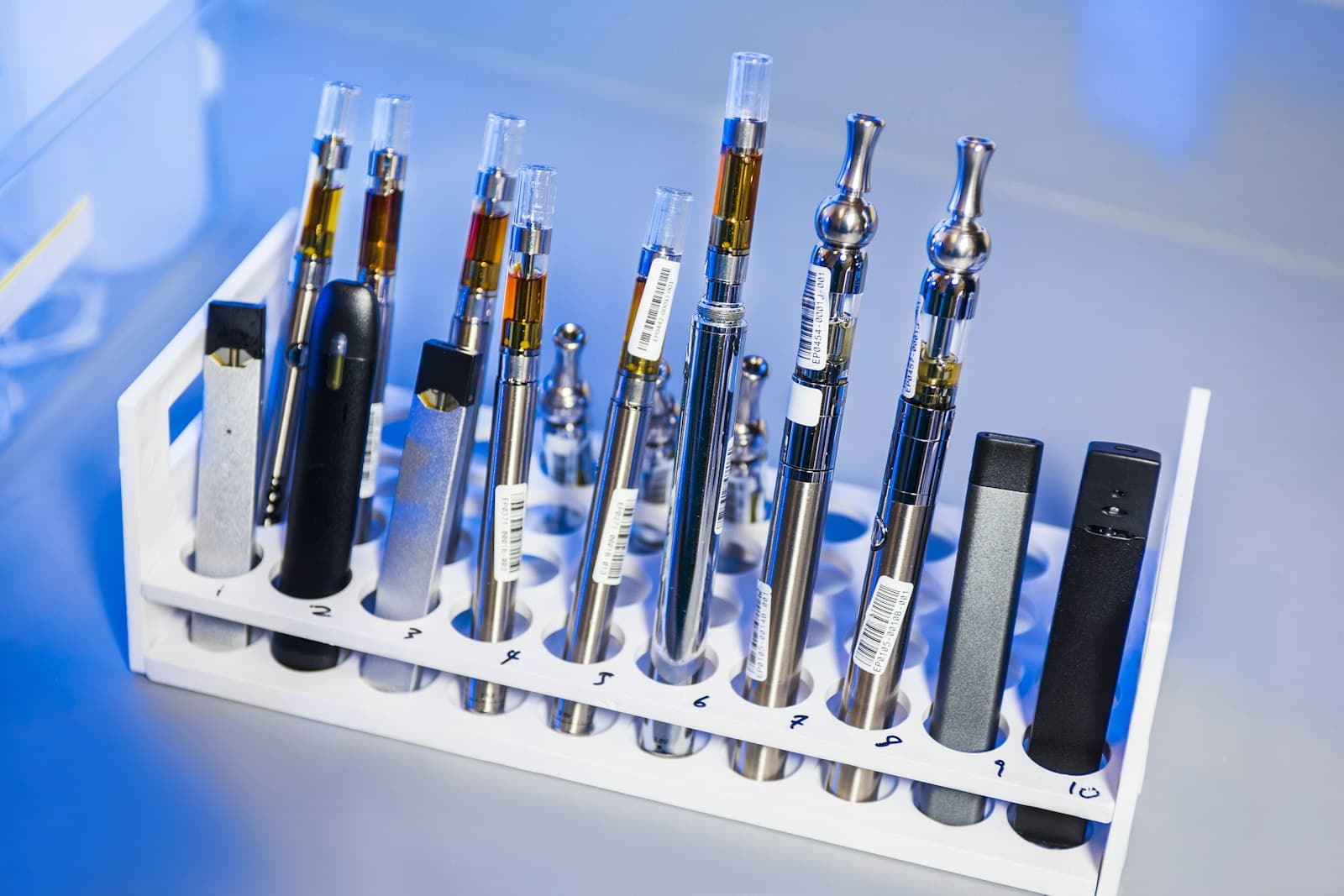
“Pod system” is one of those terms that gets used a lot in UK vape shops without ever quite being defined. If you are new to vaping, or coming back to it after disposables were withdrawn from sale, it helps to know exactly what the phrase means before you start comparing individual kits.
A device category, not a brand
A pod system is a type of reusable vape kit built around a small, refillable or replaceable “pod” that clips or slots into a rechargeable battery section. It is not a single product or a manufacturer name; it is a category, in the same way “hatchback” describes a shape of car rather than one specific model. Dozens of manufacturers make pod systems, and they vary a fair amount in size, battery capacity and how the pod itself works.
What sets the category apart from other device types on a vape shop shelf is the pod itself. Rather than filling a large glass or plastic tank directly onto the device, as you would with a sub-ohm tank, you either fill or replace a small self-contained pod that sits against the battery.
How pod systems differ from disposables and sub-ohm tanks
It is easiest to place pod systems by comparing them with the two other main device types you will come across.
- Disposables were single-use vapes designed to be thrown away once the battery or e-liquid ran out. They became illegal to sell in the UK from 1 June 2025 under the single-use vapes regulations, so any device offered for sale now needs to be rechargeable. Pod systems fill much of the gap disposables left, since many are similarly compact and simple to use, but they are reusable rather than throwaway.
- Sub-ohm tanks are larger, hold more e-liquid, and are built around coils with a resistance below 1 ohm, producing bigger vapour clouds and a looser, direct-to-lung (DTL) draw. They are generally aimed at more experienced vapers who have moved away from a cigarette-like draw entirely.
Pod systems sit between the two: reusable like a sub-ohm tank, but compact and straightforward like a disposable, with most models tuned for a tighter mouth-to-lung (MTL) draw that feels closer to drawing on a cigarette.
Open (refillable) pods vs closed pod formats
Within the pod-system category, there are two broad formats worth knowing about.
- Open, refillable pods have a fill port you top up yourself with a bottle of e-liquid, and typically use a replaceable coil that sits inside the pod. You choose your own e-liquid brand and flavour, and running costs tend to be lower once you have bought your first e-liquid and spare coils.
- Closed, replaceable-style pods come with the coil built into the pod unit itself, either pre-filled or ready to fill from a small port, and you replace the whole pod (not just the coil) once it wears out or runs dry. UK regulation still permits this format provided the device is rechargeable rather than single-use; what changed in 2025 was the ban on disposable, non-rechargeable devices, not closed pods generally.
We cover this distinction in far more depth, including running costs and which suits a beginner best, in our guide to refillable vs replaceable pods.
Pod capacity: what the 2ml limit means
Under the Tobacco and Related Products Regulations (TRPR), UK-regulated pre-filled pods and cartridges containing nicotine e-liquid are capped at 2ml of capacity, while refillable tanks and bottles of nicotine e-liquid are capped at 10ml. Nicotine strength itself is capped at 20mg/ml (2%). This is why you will see pods marketed around that 2ml figure regardless of brand; it is a regulatory limit rather than a design choice by any one manufacturer. Some devices work around this by using two pods, or by accepting a larger refillable pod for zero-nicotine or short-fill e-liquid, but the nicotine-containing capacity itself stays within that limit.
| Spec | Typical range |
|---|---|
| Pod capacity (nicotine e-liquid) | Up to 2ml per pod (TRPR limit) |
| Battery capacity | Roughly 350mAh to 1000mAh |
| Coil resistance | Around 0.6–1.2Ω for an MTL-leaning draw |
| Nicotine strength | Up to 20mg/ml (2%), UK regulated |
Who tends to suit a pod system
Pod systems are generally a good fit for a few kinds of vaper:
- People switching from smoking who want a device that feels closer to a cigarette in hand and draw.
- Anyone who previously used disposables and needs a reusable equivalent now that they are off the shelf.
- Vapers who value portability and low fuss over maximum vapour production.
- Beginners who would rather not deal with adjustable wattage, airflow rings and other settings found on more advanced kits.
According to the NHS, vaping is not risk-free, but it is considered substantially less harmful than smoking and can support people trying to stop smoking, though it is not intended for non-smokers or under-18s. If you are weighing up whether a pod system is right for you as a smoking-cessation tool, the NHS Better Health service is a sensible official starting point.
Once the category makes sense, the next practical step is usually deciding between refillable and closed pod formats, and then working through a proper buying checklist. Our guide to choosing your first pod system walks through battery size, running costs and price bands in more detail.