How to choose your first pod system: a simple checklist
- £10-£35 typical
- 350-900mAh
- Beginner friendly
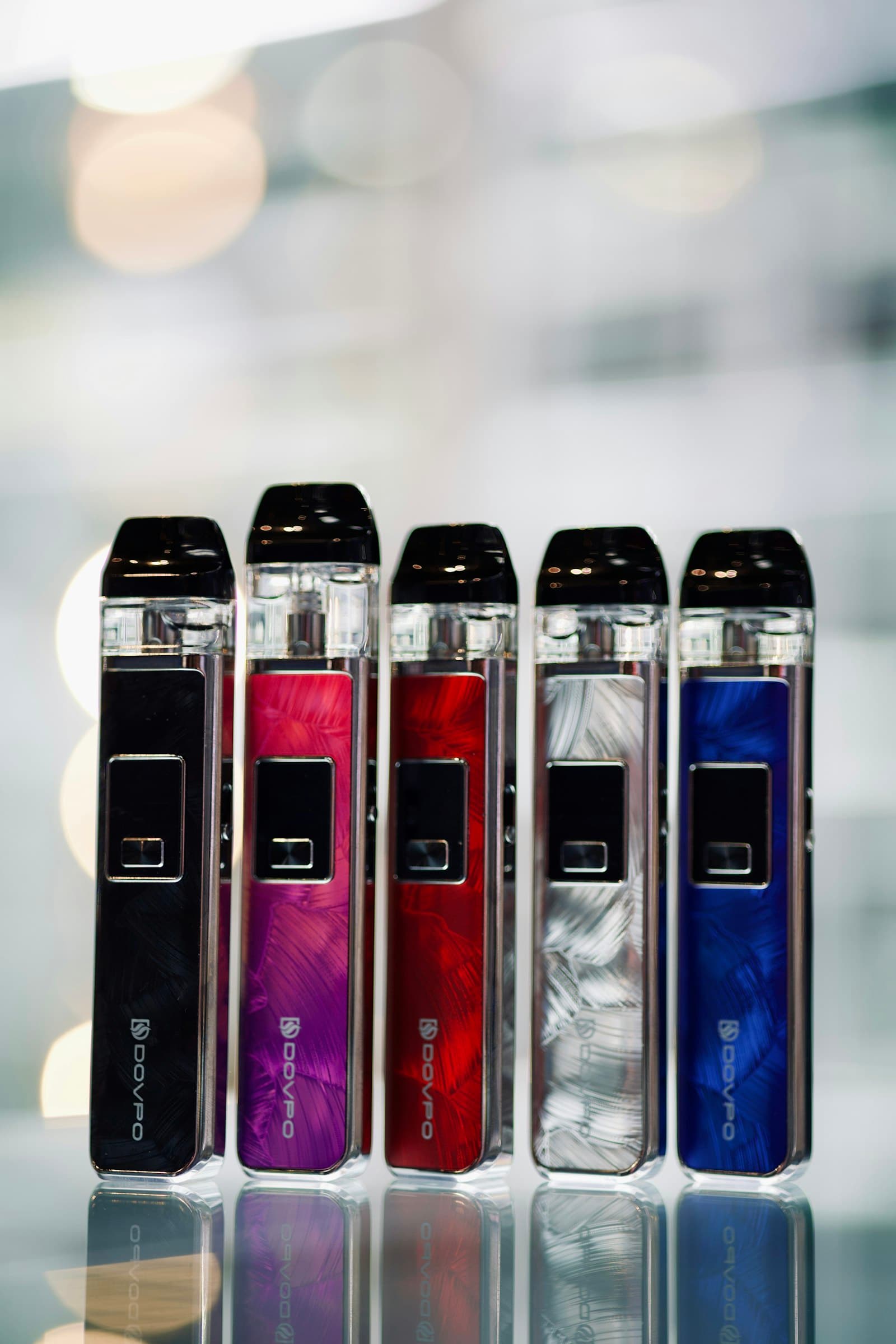
Faced with a wall of pod kits in a vape shop, or a long list on a retailer’s website, it helps to work through the same few questions every time. This checklist covers the points that actually change how a pod system feels to use day to day.
1. Battery capacity
Battery capacity is measured in mAh (milliamp hours); the higher the number, the longer the device runs between charges, though a larger battery usually means a bigger, heavier device too.
- Around 350–500mAh: slim, pocketable devices, typically needing a top-up charge once or twice a day for a moderate vaper.
- Around 500–900mAh: a common middle ground, usually lasting most of a day for light-to-moderate use.
- 900mAh and above: larger pod kits that can comfortably last a full day for most users, at the cost of a bulkier device.
2. Pod capacity
UK regulation caps pre-filled and refillable pods containing nicotine e-liquid at 2ml, so this figure will not vary much between devices. What does vary is how many pods come in the box, and whether spare pods are sold in convenient multi-packs. Check pod availability before buying rather than after.
3. Coil resistance and replacement cost
Coil resistance, measured in ohms (Ω), affects both the draw and the running cost. Most pod-system coils sit somewhere between roughly 0.6Ω and 1.2Ω, which supports a mouth-to-lung style draw. Before buying, it is worth checking:
- Whether replacement coils (or replacement pods, on closed systems) are stocked by UK retailers, not just available from the manufacturer abroad.
- Roughly how often a coil needs replacing with regular use, usually every one to two weeks for a daily vaper, though this varies with e-liquid and usage.
- The price per coil or pod when bought in a multi-pack, since single units usually cost more per item.
If you are still deciding between formats, our comparison of refillable and replaceable pods covers running costs in more detail.
4. MTL vs looser DTL-leaning draw
Most pod systems are tuned for mouth-to-lung (MTL) vaping, where you draw vapour into your mouth first, similar to a cigarette, before inhaling. Some pod kits offer an adjustable airflow ring that loosens the draw slightly toward a direct-to-lung (DTL) feel, which some ex-smokers prefer once they are used to vaping. If you are coming straight from smoking, a tighter MTL draw usually feels more familiar; if you previously used a sub-ohm tank, you may prefer a pod kit with adjustable airflow.
5. Size and portability
Weigh up how and where you will actually use the device. A slim, pen-style pod kit slips into a pocket easily but usually has a smaller battery; a chunkier pod kit holds more charge but is less discreet. Neither is wrong, but it is worth handling a device in person where possible before committing.
6. Indicative price bands
Prices vary by retailer and by what is included in the box, but as a rough guide:
| Kit type | Typical price |
|---|---|
| Entry-level pod kit (basic, single pod included) | Roughly £10–£20 |
| Mid-range pod kit (larger battery, spare pod included) | Roughly £20–£35 |
These figures are typical high-street and online ranges rather than fixed prices; always check current pricing with the retailer.
7. Nicotine strength
UK-regulated e-liquid is capped at 20mg/ml (2%) nicotine strength. Many pod-system users who have recently switched from smoking start around 10-20mg/ml, particularly with nic salt e-liquids, then step down gradually as their body adjusts. If you are choosing between strengths, it is worth knowing that a stronger e-liquid is not automatically “better”; it simply delivers nicotine faster, which suits some people and feels too harsh to others. Pharmacy staff and vape shop staff can generally advise on a sensible starting strength if you mention how much you currently smoke.
8. Where to buy safely
Buy from an established UK vape shop, pharmacy, or a well-known online retailer that clearly states TPD compliance and UK nicotine strength limits (up to 20mg/ml). Be cautious of unregulated marketplace listings, particularly imported devices or e-liquids that do not carry UK-compliant labelling, correct nicotine warnings, or child-resistant packaging. Trading Standards is the relevant UK body if you encounter vape products you believe are being sold illegally, such as to under-18s or without proper labelling.
Common first-purchase mistakes
- Buying on looks alone. A sleek device with poor coil availability becomes frustrating within weeks once the included pods run out.
- Choosing too high a nicotine strength. Going in at the maximum 20mg/ml without needing to can feel harsh on the throat; it is easier to step up from a lower strength than to step down from one that feels uncomfortable.
- Ignoring battery habits. A heavy vaper buying the smallest, slimmest device on the shelf often ends up needing to charge it multiple times a day, which defeats the point of portability.
- Not checking pod stock locally. A kit is only as convenient as its ongoing supply of pods or coils; check a UK retailer actually stocks replacements before you buy the device.
Putting it together
No single kit will score top marks on every point above; the right choice is usually a trade-off. Someone who values discretion above all else might accept a smaller battery and more frequent charging; someone who vapes heavily through the day is better served by a larger pod kit even if it is less pocketable. Working through this checklist against two or three shortlisted kits, rather than picking on price or looks alone, tends to give a better result first time.