Pod system battery capacity explained: mAh and what it means for you
- 350-1500mAh range
- USB-C charging
- Runtime varies
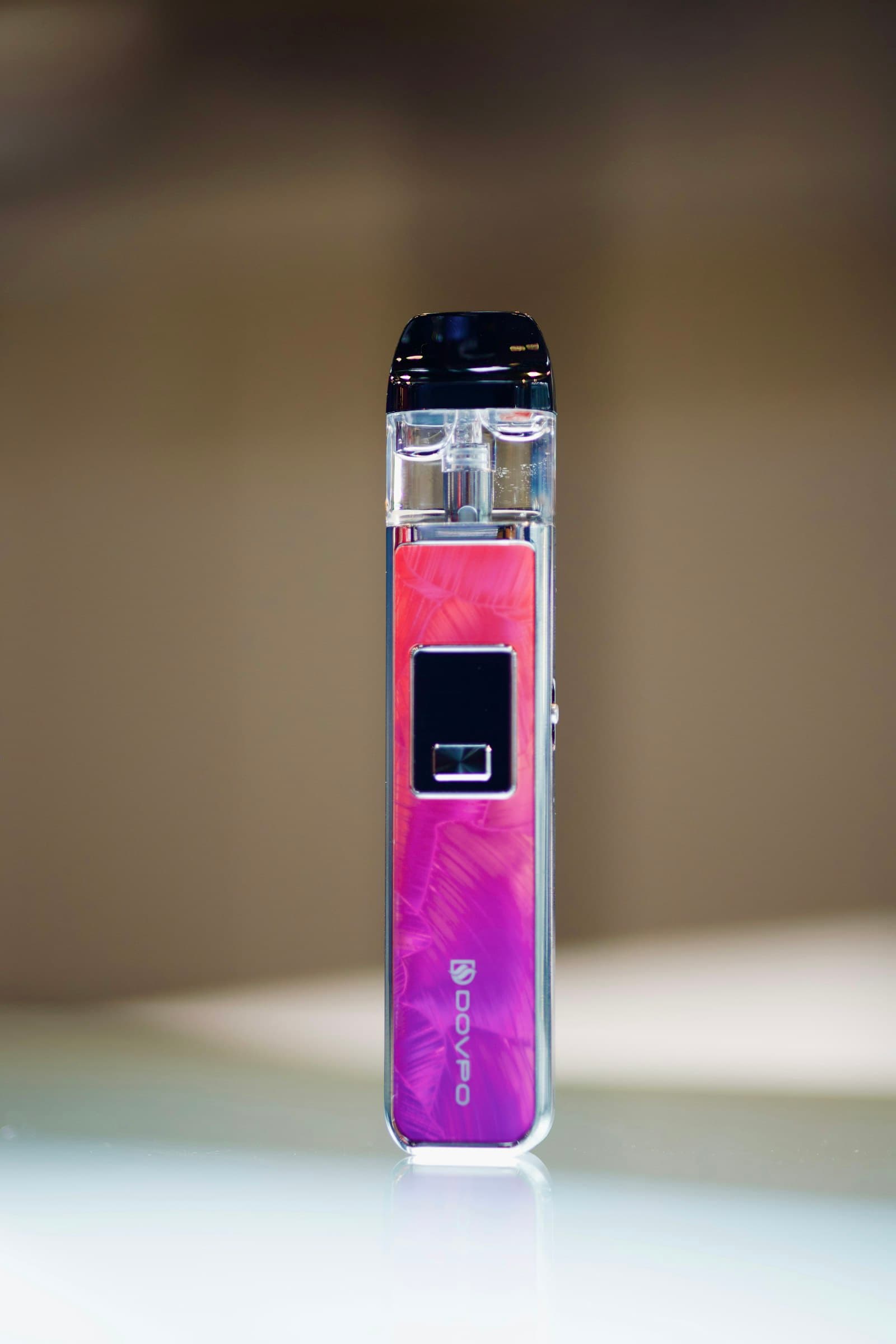
Every pod system lists a battery figure somewhere on the box or product page, written as a number followed by “mAh”. It is one of the first specs people compare when shortlisting a kit, but the number on its own does not tell you much unless you know what it measures and, just as importantly, what it does not promise.
What mAh actually measures
mAh stands for milliamp-hour, a unit of electrical charge. In plain terms, it describes how much energy a battery can store, not how long a specific device will run for. A 900mAh battery holds roughly twice the charge of a 450mAh battery, all else being equal, but “all else being equal” rarely applies in practice, because two devices with the same mAh figure can still behave quite differently depending on their wattage, coil resistance and how the internal electronics manage power.
This is why mAh is best treated as a rough indicator of battery size rather than a precise promise of runtime. It is a genuinely useful figure for comparing devices, just not one you can convert into an exact number of hours or puffs without more information.
Turning mAh into a rough idea of runtime
As a general guide, a higher mAh figure tends to mean a device lasts longer between charges for a given person’s usage pattern, since there is simply more stored charge to draw on. But actual runtime is shaped by several things working together, not the battery figure alone:
- Wattage and coil resistance. A device firing at higher wattage, or paired with a lower-resistance coil, draws more current per puff, so it gets through the same battery faster than a lower-wattage setup with an otherwise identical mAh rating.
- How often and how long you puff. Someone taking short, occasional draws through the day will comfortably outlast someone taking long, frequent pulls on the same device.
- Screen or LED use. Pod kits with a display or indicator light draw a small amount of extra power just by being on, which adds up slightly over a full day.
- Battery age. Rechargeable batteries hold slightly less charge as they go through more charge cycles, so a two-year-old pod kit will generally not last as long on a full charge as it did when new.
Because of this, treat any runtime estimate, including the ones in this guide, as a rough guide rather than a precise promise. The only reliable way to know how a specific device behaves for you is to use it for a few days and see how your own habits line up with its battery.
Typical mAh ranges for pod systems
Pod-system batteries vary a fair amount by device size, but most fall into one of three rough bands.
| Device type | Typical battery | Rough day-to-day feel |
|---|---|---|
| Slim, pocketable pod kit | Around 350–500mAh | Often needs a top-up once or twice a day for a moderate vaper |
| Mid-size pod kit | Around 500–900mAh | Usually covers most of a day for light-to-moderate use |
| Larger pod kit or pod mod | Roughly 900–1500mAh, occasionally more | Can comfortably cover a full day for most users |
These bands line up with what we cover in more detail, alongside pod capacity and coil cost, in our checklist for choosing your first pod system.
Why bigger isn’t automatically better
A larger mAh figure sounds like a straightforward win, but it comes with a trade-off that is easy to overlook when comparing specs on a screen: battery cells take up physical space and add weight. A pod kit built around a 1500mAh cell will generally be noticeably thicker and heavier in the hand than one built around 400mAh, even before accounting for the pod and housing around it.
For someone who wants a device that disappears into a pocket, a slim, lower-mAh pod kit that needs charging more often may still be the better everyday choice than a bulkier high-capacity one. For someone who vapes heavily through the day, or who finds it inconvenient to charge more than once, the extra size and weight of a larger battery is usually a fair trade for fewer top-ups. Neither approach is wrong; it depends on what you would rather manage, a slightly bigger device or a slightly more frequent charge.
Fast charging and USB-C
Most newer pod systems charge over USB-C rather than the older micro-USB connector still found on some budget or legacy devices. USB-C generally supports faster charging and is more widely available, since it is the same connector used by most recent phones, tablets and laptops, so you are less likely to need a dedicated cable just for your vape kit.
Some manufacturers advertise their own fast-charging figures for specific models, but these vary between devices and are set by the manufacturer rather than being a fixed standard across the category, so it is worth checking the specific product listing rather than assuming one figure applies across the board. A device with a smaller mAh rating will also tend to reach a full charge sooner than a larger one, simply because there is less capacity to fill, which can offset some of the runtime difference between a compact and a larger pod kit if you are able to top up little and often.
Reading the spec sheet sensibly
When you are comparing pod kits on battery capacity, it helps to look at the mAh figure alongside the device’s size, its charging connector, and roughly how heavily you expect to use it, rather than treating mAh as a single score to maximise. Our guide to what a pod system actually is covers the wider spec sheet, including pod capacity and coil resistance, if you are starting your comparison from scratch.