Single-coil vs dual-coil pod systems: what's the difference?
- 1 or 2 coils
- MTL vs looser draw
- Consumption varies
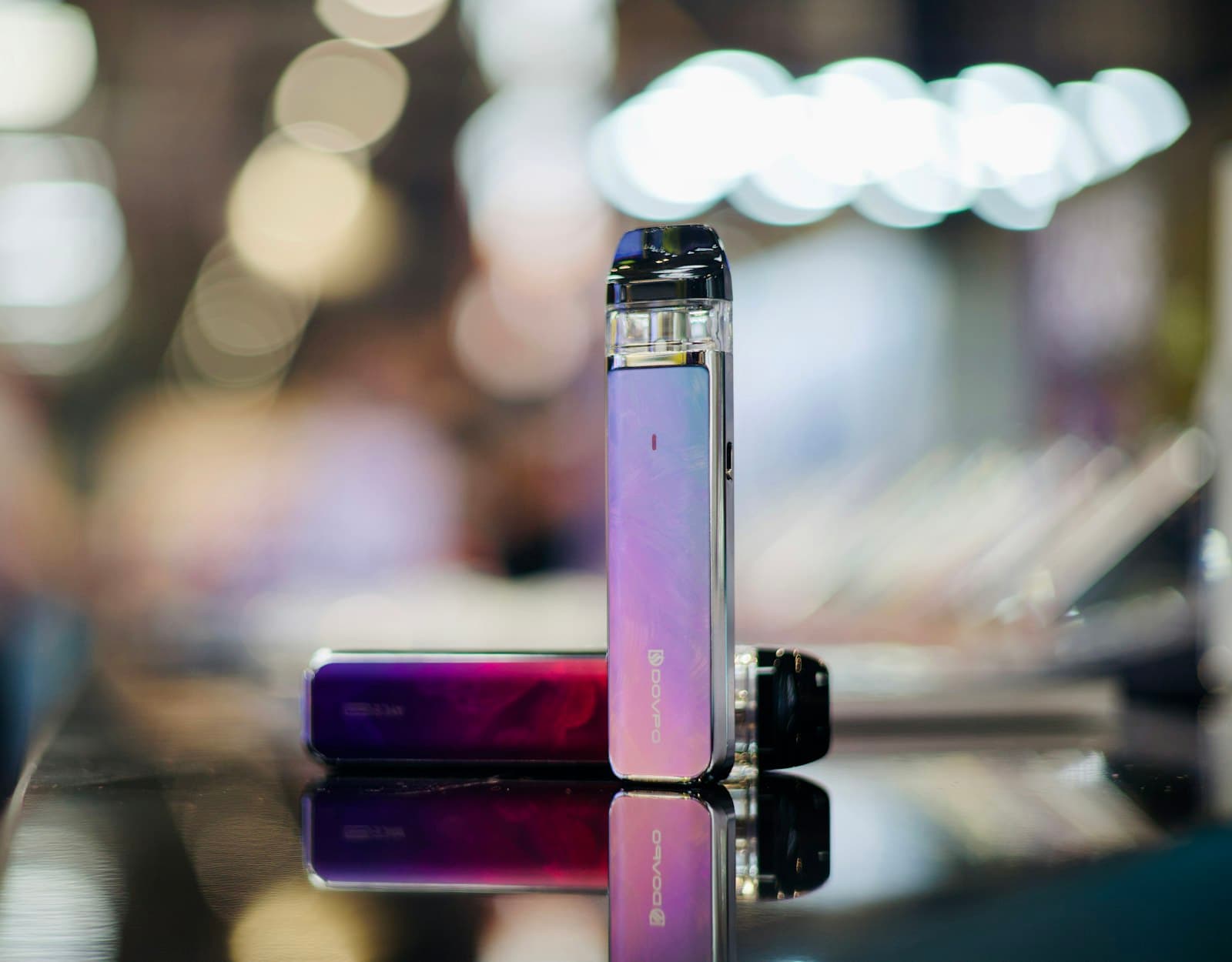
Most pod-system listings mention the coil somewhere in the spec sheet, usually as a resistance figure in ohms, but occasionally you will also see “single coil” or “dual coil” called out. It is a smaller detail than battery size or pod capacity, but it does shape how a device feels to use, so it is worth understanding before you buy.
What the terms actually mean
A single-coil pod has one heating coil inside the pod, wrapped around a wick that draws e-liquid up from the reservoir. Power from the battery passes through that one coil, heating it enough to vaporise the e-liquid sitting against it. This is by far the more common setup on compact, everyday pod systems.
A dual-coil pod has two coils working together inside the same pod, usually positioned side by side or one above the other, each with its own wick drawing from the shared e-liquid reservoir. Both coils heat at the same time when you take a draw, rather than one taking over from the other.
How this tends to affect vapour production
With two coils heating simultaneously instead of one, a dual-coil pod generally vaporises e-liquid faster and produces a noticeably denser cloud of vapour per draw than a comparable single-coil pod, according to the way manufacturers typically describe and market these setups. This is one of the main reasons dual-coil pods tend to appear on larger, more DTL-leaning pod kits aimed at bigger vapour production, rather than on slim, pocketable devices built around a tight, cigarette-like draw.
These are general characteristics manufacturers commonly state about dual-coil designs rather than results from independent lab testing, and actual output still depends on the specific coil, wattage and e-liquid used, so treat any comparison as a broad tendency rather than a guaranteed outcome for every device.
How this tends to affect flavour
Flavour is more subjective and harder to generalise about than vapour volume, but the common manufacturer-stated view is that dual-coil pods can deliver a slightly fuller, more pronounced flavour at higher wattage, simply because more of the e-liquid is being heated and vaporised per draw. Single-coil pods are often described as giving a cleaner, more concentrated flavour at lower wattage, which is part of why they remain the standard choice for tighter, MTL-style pod systems where a smaller, more controlled draw is the point.
Neither is objectively “better” for flavour; which one you prefer usually comes down to the style of draw you like and the specific e-liquid you are using, and preferences here vary a good deal from one vaper to another.
Battery and e-liquid consumption
Running two coils at once draws more current from the battery than running one, so a dual-coil pod system will generally get through a charge faster than a single-coil device with a similar mAh rating, all else being equal. The same applies to e-liquid: vaporising it faster across two coils tends to mean a full pod empties sooner with regular use compared to a single-coil pod used in a similar way. If battery life and running costs matter more to you than vapour volume, that is worth factoring in alongside the points covered in our guide to pod-system battery capacity and mAh.
| Factor | Single coil | Dual coil |
|---|---|---|
| Vapour production | Generally lighter | Generally denser |
| Typical draw style | Tighter, MTL-leaning | Looser, DTL-leaning |
| Battery drain | Generally slower | Generally faster |
| E-liquid use | Generally slower | Generally faster |
Which suits MTL vs looser, DTL-leaning vaping
Mouth-to-lung (MTL) vaping, where vapour is drawn into the mouth first before being inhaled, closely mimics the feel of smoking a cigarette and is what most entry-level pod systems are tuned for. Single-coil pods, paired with a tighter airflow and a higher-resistance coil, suit this style well, since the aim is a smaller, more controlled draw rather than maximum vapour.
Direct-to-lung (DTL) vaping, where vapour is pulled straight into the lungs in one looser draw, generally benefits more from the extra vapour and lower resistance a dual-coil setup provides. Pod systems built with airflow that loosens toward a DTL feel are more likely to use a dual-coil pod, particularly on larger devices that sit closer to sub-ohm tanks in how they are used. Our guide to what a pod system is covers how this draw style spectrum fits into the wider pod-system category.
Does it affect coil cost?
Dual-coil pods are generally, though not always, priced a little higher per replacement than single-coil pods from the same range, reflecting the extra coil inside each one. If running cost matters to you, it is worth checking the price of replacement pods or coils for the specific dual-coil device you are considering rather than assuming it costs the same as a single-coil equivalent from another range.
It is also worth asking how often a manufacturer suggests replacing a dual-coil pod compared with a single-coil one from the same range. Because both coils are working on every draw, some dual-coil pods are described by manufacturers as needing replacement a little sooner under heavy daily use than an equivalent single-coil pod, though this varies enough between ranges that it is worth checking the specific product listing rather than assuming a fixed rule applies across every device.
Which should you choose?
If you are coming from smoking, or you previously used a compact disposable and want something similar, a single-coil pod system tuned for MTL vaping is usually the more familiar and cost-effective starting point. If you have more vaping experience, want denser vapour, or previously used a sub-ohm tank and miss that looser draw, a dual-coil pod system is worth considering, with the trade-off of faster battery and e-liquid use. Either way, checking real-world availability of replacement coils or pods locally is worth doing before you commit, since a device is only as convenient as its ongoing supply of parts.